Ever wonder why Huntington Woods blocks can shift from steep-gabled storybook homes to clean-lined mid-century gems in just a few steps? When you start house hunting here, the mix of styles is part of the charm and also part of the homework. You want to see the character, but you also want to understand layouts, likely updates, and true costs. This guide breaks down the most common local home styles so you can spot them quickly, know how they live, and plan smart renovations. Let’s dive in.
What sets Huntington Woods apart
Huntington Woods is an established Oakland County community with homes largely built in the early to mid 20th century, plus some later infill. You will find detached single-family houses on suburban lots, many with basements and garages. Because many homes predate modern energy codes, you should expect to plan for insulation, envelope, and mechanical updates when you renovate.
Older construction can mean original finishes like plaster walls, wood trim, and single-pane windows alongside aging roofing, plumbing, and electrical. Michigan’s freeze-thaw cycle and heavy spring rains make water management a priority, especially for basements, foundations, and roofs. Structural and systems changes typically require permits through the City of Huntington Woods building department, so confirm requirements early in your planning.
Tudor Revival at a glance
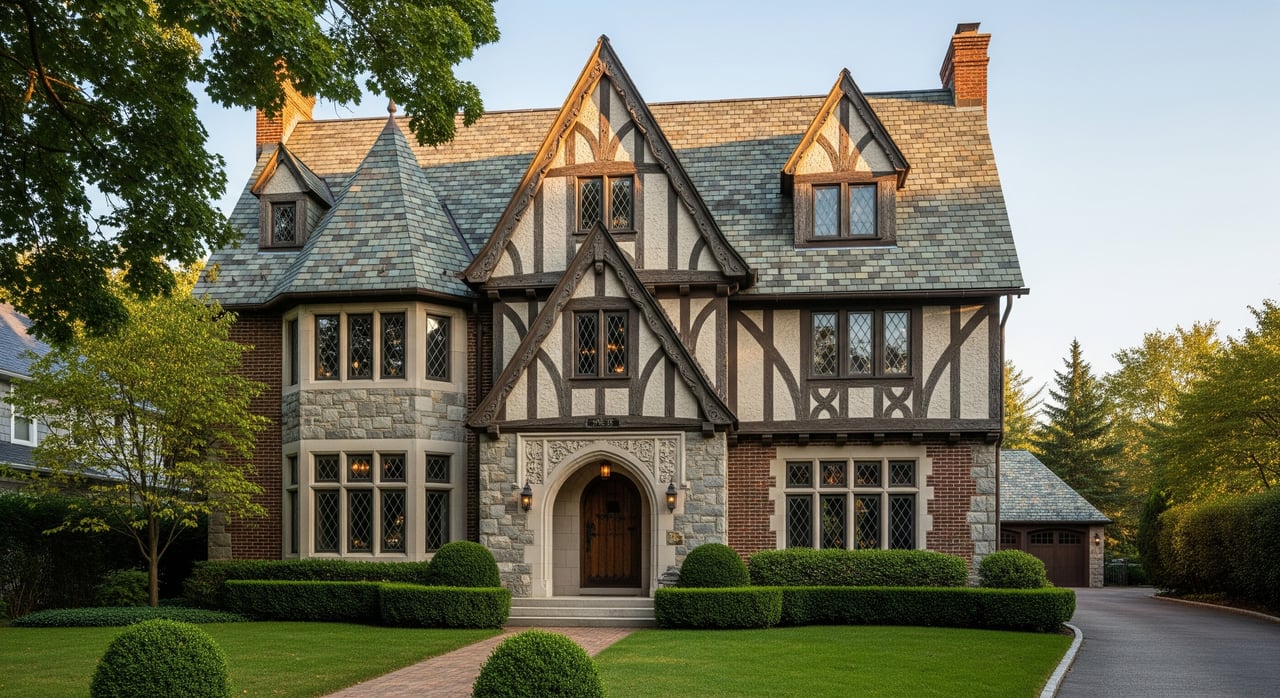
Visual cues
- Steep, multi-gabled roofs and prominent chimneys.
- Decorative half-timbering with stucco or masonry on upper façades, often brick or stone below.
- Tall, narrow windows with multi-pane casements or leaded glass, plus arched or recessed entries.
Layout and everyday living
Tudors are usually 1.5 to 2 stories with cozy, compartmentalized rooms. Expect a formal living room, a separate dining room, and sometimes a study or den. Fireplaces are common focal points, and small upper bedrooms can appear in half-story layouts. Basements are typical.
Renovation watch-outs
- Roof complexity increases cost and the chance of flashing failures. Budget accordingly for repair or replacement.
- Masonry, stucco, and trim often require specialized restoration to match textures and profiles.
- Original leaded or casement windows are character features. Plan for restoration, weatherproofing, or sensitive replacements.
- Plaster and millwork need experienced hands. Removing walls to open the plan can be structurally involved and may affect proportions.
- Chimneys and systems should be inspected, with upgrades to electrical, plumbing, and heating common in this era.
Mid-century homes explained
Visual cues
- Low-sloped or flat roofs, broad eaves, and strong horizontal lines.
- Large picture windows and sliding glass doors that connect to patios or yards.
- Minimal ornamentation with mixed materials like wood, brick, and stone.
Layout and everyday living
You will see single-story, split-level, and ranch variants, often with open or semi-open living areas and fewer formal rooms. Kitchens can be smaller in original form but are frequently reworked. Attached garages and basements are common and useful for storage and systems.
Renovation watch-outs
- Low-slope roofs can leak if original materials remain. Thorough inspection and potential full replacement are wise.
- Large single-pane windows are inefficient. Upgrading glazing improves comfort and energy performance but can be a major cost.
- Asbestos and lead paint may be present in mid-century materials. Professional testing and abatement are recommended.
- Post-and-beam or open spans require a structural approach when altering walls or load paths.
- Preservation value is real. Original built-ins and paneling can be prized and worth rehabilitating rather than replacing.
Ranch homes in The Woods
Visual cues
- Single-story, long and low profile with simple rooflines and a broad front.
- Horizontal windows and easy indoor-outdoor access with patios or sliders.
- Attached garages are common.
Layout and everyday living
Ranch homes offer single-level living with public rooms near the front and bedrooms set to the rear or a wing. Many later ranches have kitchens that open to a family area. Michigan ranches often include basements for storage, utilities, or extra living space.
Renovation watch-outs
- Accessibility upgrades are a popular focus for aging in place, especially bathrooms and entries.
- Additions typically go to the rear. Adding a second level is possible but can be expensive and requires structural evaluation.
- Energy improvements like insulation and window updates can make a noticeable comfort difference.
Colonial Revival basics
Visual cues
- Symmetrical façades, centered entry with pilasters or a small pediment.
- Double-hung multi-pane windows arranged in balance.
- Gabled roofs with brick or clapboard siding and usually two full stories.
Layout and everyday living
Expect a center-hall plan with formal living and dining at the front and kitchen or casual spaces toward the back. Bedrooms are typically upstairs. Basements are common and often house mechanical systems.
Renovation watch-outs
- Open-plan conversions can be complex because the center hall anchors circulation. Rear additions are a frequent solution for larger kitchens and family rooms.
- Historic millwork and staircases are worth preserving and can drive restoration cost.
- Envelope and windows may need repair or custom replacements to keep the classic multi-pane look while improving efficiency.
Climate and inspection tips
Basements and drainage
Basements are standard here. Look for water entry signs, check grading, confirm gutter and downspout performance, and ask about sump pumps or French drains. Michigan’s freeze-thaw and spring rains make these items especially important.
Energy and roofing
Many homes predate modern thermal standards. Plan for attic and rim-joist insulation, air sealing, and HVAC upgrades. Ice dams can form in winter when insulation and ventilation are inadequate, so roof and attic improvements are common.
Safety and testing
Older homes can contain lead paint and asbestos in certain materials. Professional testing and abatement are recommended where suspected. Radon testing is recommended in Southeast Michigan, and mitigation systems are commonly installed when levels are high.
Permits and design context
Structural, electrical, plumbing, and major exterior work typically require permits from the City of Huntington Woods. Confirm requirements before you plan changes to egress, structural components, or mechanical systems. Also check whether any local historic or neighborhood design restrictions apply to exterior changes.
Choosing the right style
- Maintenance intensity: Tudors and older Colonials often need more detail-oriented exterior work, while mid-century and ranch homes can have big-ticket but straightforward updates like roofing and window replacements.
- Layout flexibility: Ranch and many mid-century homes are easiest to open up. Tudor and Colonial plans are more compartmentalized and may need additions to create larger gathering spaces.
- Energy and systems: Expect to budget for insulation, windows, and HVAC across styles. Short-term updates often pay off in long-term comfort.
- Character vs. cost: Tudor and Colonial millwork, fireplaces, and leaded glass offer rich character that can raise restoration costs. Mid-century details can also be highly desirable and worth preserving.
- Resale context: Style, condition, and fit within the immediate block matter. Consider how your target style aligns with surrounding homes.
Quick walkthrough checklist
- Exterior and roof: Roof age and flashing, chimney condition, siding or stucco health, and any foundation cracks.
- Windows and doors: Single or multi-pane, signs of rot, and notable character features like leaded glass.
- Basement and drainage: Water stains, efflorescence, sump pump, site grading, and downspout extensions.
- Mechanical systems: Furnace and AC age, water heater condition, electrical panel type, and presence of updated kitchen and bath circuits.
- Interior condition: Plaster vs. drywall, millwork and built-ins, ceiling heights, and floor condition.
- Hazard testing: Radon, lead paint, asbestos where mid-century materials are present, and sewer lateral condition on older homes.
- Permit history: Ask for records of major work. Unpermitted projects can complicate financing or resale.
- Lot and neighborhood context: Lot depth for future additions and proximity to amenities that matter to you.
Ready to compare homes together?
If you are weighing Tudor charm against mid-century light or the practicality of a ranch vs. a classic Colonial, a guided walkthrough can clarify the right fit. With a design-forward eye and a practical plan for updates, you can protect your budget and keep the character you love. For tailored tours, vendor introductions, and a step-by-step plan for your move, reach out to Kathy Remski.
FAQs
Can you open a Tudor floor plan in Huntington Woods?
- Yes, but it often requires structural work and can change the home’s proportions. Many owners choose rear additions to keep the front rooms intact.
Are mid-century features worth preserving in Huntington Woods?
- Often yes. Original built-ins, paneling, and large windows carry strong design value and may be more cost-effective to restore than replace.
How hard is adding a second story to a ranch in Oakland County?
- It is structurally possible but can be costly. A foundation and framing assessment is required, and rear additions or finished basements are common alternatives.
Do you need radon testing for Huntington Woods homes?
- Yes. Radon testing is recommended in Southeast Michigan, and mitigation systems are standard when levels are elevated.
What surprise costs are common with older Huntington Woods houses?
- Hidden system issues, water-related structural repairs, and professional abatement for asbestos or lead paint are frequent big-ticket surprises.