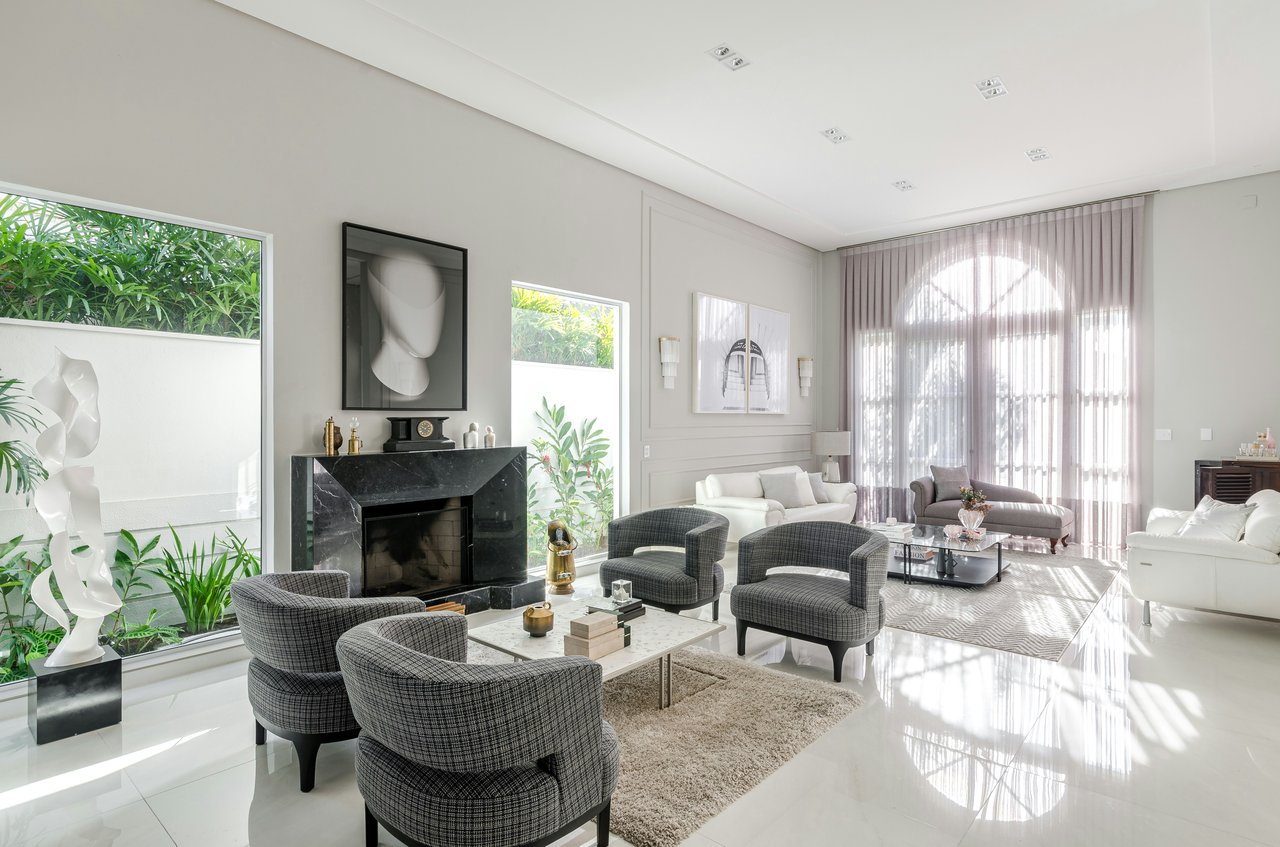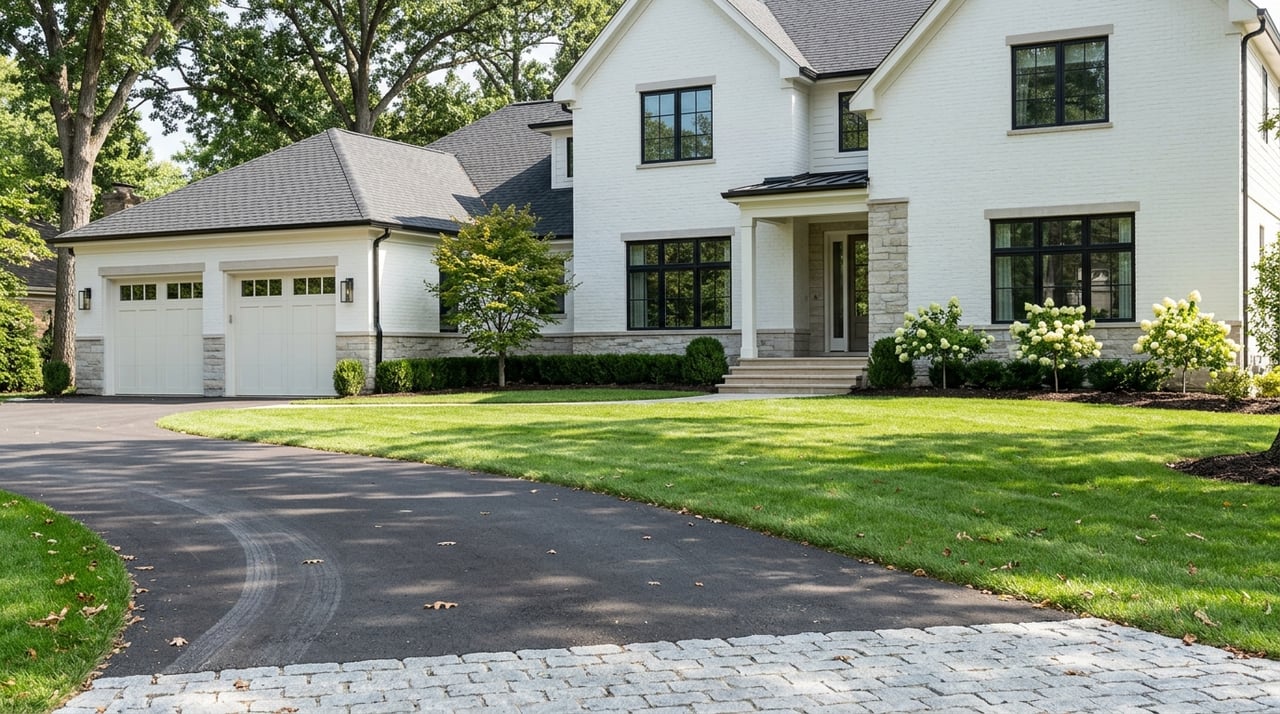
If you are drawn to privacy, mature trees, and homes that feel set into the landscape rather than packed tightly together, Bloomfield Hills likely stands out for a reason. Buyers often notice the scale and beauty first, but estate-style living here is about more than a large house on a large lot. It is shaped by planning, preservation, architecture, and day-to-day property care. This guide will help you understand what makes Bloomfield Hills distinct, what to look for during your search, and what ownership can really involve. Let’s dive in.
What Estate-Style Living Means Here
In Bloomfield Hills, the estate feel is not just a marketing phrase. The city’s planning framework identifies single-family residential as the dominant land use, with minimum lot sizes ranging from 3/4 acre to 2 acres in many areas, according to the city’s master plan.
That matters because the setting is part of the value. Compared with more conventional suburban layouts, you may notice deeper setbacks, heavier tree cover, and more parcels shaped by woods, ponds, or changing topography. The result is a more private, landscape-driven feel that many buyers specifically seek out in Bloomfield Hills.
The city has also continued to support that character. Its 2024 master plan reinforces priorities like tree and woodlands protection, including landmark species such as oak, hickory, and walnut. For you as a buyer, that means the estate atmosphere is tied to long-term community planning, not just individual homes.
Why The Setting Feels Different
A big part of Bloomfield Hills' identity comes from how land is used across the city. Business activity is concentrated along Woodward Avenue and Long Lake Road, while large residential parcels, institutional land, private recreational facilities, and the Cranbrook campus shape much of the rest of the city, based on the city master plan.
This creates a different rhythm than you may find in denser suburbs. Instead of a more typical subdivision pattern, many homes feel visually buffered from one another. You may also see more natural variation from lot to lot, which can affect sunlight, drainage, usable yard space, and how a home sits on the property.
If you are comparing options in Bloomfield Hills with nearby communities in the Warren-Troy-Farmington Hills area or elsewhere in Oakland County, this is one of the most practical differences to keep in mind. Here, the lot and landscape often matter just as much as the floor plan.
Architecture Is Part Of The Appeal
Bloomfield Hills does not have one single estate-home style. Instead, the area reflects a broad architectural mix shaped by history, landscape, and design significance.
One of the city's defining landmarks is Cranbrook Educational Community, which the city describes as a 315-acre campus and National Historic Landmark with architecturally significant buildings, outdoor sculpture, and both natural and tended landscapes. Cranbrook’s own campus presence adds a strong sense of place to Bloomfield Hills.
Cranbrook House and Gardens also reflects the area’s architectural depth. The site is known for its Historic Arts and Crafts style house and extensive designed landscape, which helps explain why Bloomfield Hills often appeals to buyers who care about setting, proportion, and design continuity.
Modern architecture is also part of the story. The Frank Lloyd Wright Foundation’s Affleck House is an important Usonian design from 1941, and the nearby Smith House is another Wright design associated with the landscape-focused character of the area. Bloomfield Hills also includes notable modernist public architecture, including Temple Beth El by Minoru Yamasaki.
For buyers, the takeaway is simple: estate-style living here is not one look. You may see traditional homes, Arts and Crafts influences, mid-century design, or other custom properties, but site placement and landscape relationship are often central to the experience.
What To Check In Older Estate Homes
If you love older homes, Bloomfield Hills can offer remarkable character. At the same time, design significance can bring added responsibility.
When you are evaluating a property, it is smart to ask whether the home has any historic status, preservation expectations, or architectural importance tied to the site. That is especially relevant in an area shaped by landmarks like Cranbrook and architecturally important homes such as the Affleck House.
Even when a home is not formally designated, older estate properties may have original materials, unique design details, or site features worth preserving. If you are planning updates, it is wise to think beyond cosmetics and consider how renovation choices may affect the home's long-term character and resale appeal.
Amenities Add Prestige, But Access Varies
Many buyers associate Bloomfield Hills with well-known clubs and cultural landmarks, and that reputation is well earned. The city identifies Bloomfield Hills Country Club, Stonycroft Golf Club, Bloomfield Open Hunt, and The Village Club as private recreational facilities in its planning documents.
These destinations help reinforce the estate-oriented setting, but they are not all public amenities. For example, Oakland Hills Country Club describes itself as a private club where golf access is limited to members and guests.
That distinction matters during your home search. A nearby club may enhance the surrounding environment and prestige of an area, but you should verify membership rules, guest policies, and access before treating it as part of your daily lifestyle plan.
Cranbrook is a little different because it serves as both a neighborhood landmark and a public-facing cultural destination. Through Cranbrook’s campus and programming, buyers can enjoy a meaningful local amenity that contributes to the area’s identity without relying on private membership.
Ownership Often Means More Upkeep
One of the biggest practical differences in estate-style living is ongoing property care. Larger homes and larger lots usually come with more maintenance, but in Bloomfield Hills, city oversight also plays an important role.
The city’s zoning ordinance regulates the location, size, and height of structures. The city also notes that approvals may be required for new construction, additions, decks, pools, fences or walls, generators, windows, exterior doors, demolition, and tree removal.
That means renovation-minded buyers should go in with a clear plan. If you are imagining a major addition, a reworked backyard, a new pool, or even extensive tree work, you will want to understand the review process early.
Permits And Site Rules To Know
Bloomfield Hills has a detailed code environment, and it affects how you maintain and improve a property over time. According to the city’s code enforcement guidance, exterior structures must be kept in good repair, grass and weeds may not exceed 7 inches on average, and recreational vehicles generally may not be stored on residential lots.
The same guidance notes that tree-removal plans must be reviewed before work begins, and vacant homes must remain landscaped and secure. The city also flags backflow concerns for systems and features like sprinklers, pools, hot tubs, boilers, and hose bibbs through its cross-connection control program.
If a parcel includes wetlands, there is also a 25-foot setback from the wetland boundary, according to the city. For buyers, that can directly affect future site plans, accessory features, and how much of the lot is practically usable.
What This Means For Your Budget
When buyers focus only on purchase price, they can miss the true cost of ownership. In estate settings, your ongoing budget may need to account for landscaping, tree care, irrigation, drainage, exterior maintenance, and periodic improvements that help the property stay aligned with its setting.
That does not make ownership harder than elsewhere, but it does make it more layered. A beautifully wooded lot can be a major asset, yet it may also require specialized upkeep and a longer-term maintenance mindset.
This is one reason design and condition matter so much in Bloomfield Hills. Homes that feel well cared for, visually balanced on their lots, and respectful of the surrounding landscape tend to stand out more strongly.
Resale Value And Long-Term Appeal
Bloomfield Hills remains a high-value market overall. In the research provided, Zillow estimated the average home value at $650,054 as of February 28, 2026, with homes going pending in around 44 days.
That figure is only a broad baseline and may not reflect the estate segment precisely, but it does help frame the market context. In a community where planning goals emphasize preserved character, tree and woodlands protection, and compatibility between land use and zoning, presentation and site integrity can have a meaningful impact on buyer interest.
For resale, buyers often respond to homes that feel intentional. A property that preserves canopy, respects setbacks, and maintains architectural consistency may create a stronger impression than one that feels overbuilt or deferred.
Smart Questions To Ask Before You Buy
Estate-style homes can be deeply rewarding, but they work best when your expectations match the property. As you evaluate options, consider asking:
- What permits would be required for my planned updates?
- Are there wetlands, wooded areas, or other site constraints?
- Has tree removal or landscaping work been reviewed by the city when required?
- Are there exterior maintenance items that could become costly later?
- Does the home’s architecture suggest a renovation should be more preservation-minded?
- Are nearby clubs or recreational facilities private or publicly accessible?
These questions can help you look beyond the surface and buy with more confidence.
Why Local Guidance Matters
In a market like Bloomfield Hills, the home itself is only part of the story. You are also buying into a specific land-use pattern, a design context, and a set of ownership expectations that can be easy to underestimate from photos alone.
That is why local guidance matters, especially if you are relocating, downsizing from another luxury property, or weighing whether an estate-style home fits your lifestyle. A thoughtful search should consider not just square footage and finishes, but also lot usability, future plans, maintenance realities, and how the home presents over time.
If you are exploring estate-style living in Bloomfield Hills, Kathy Remski can help you evaluate the details that shape both daily enjoyment and long-term value with a design-forward, high-touch approach.
FAQs
What makes Bloomfield Hills feel estate-style?
- Bloomfield Hills is shaped by low-density single-family residential planning, large lot sizes ranging from 3/4 acre to 2 acres in many areas, mature tree cover, and a landscape-oriented setting supported by city planning documents.
What architectural styles can buyers expect in Bloomfield Hills?
- Buyers may see a mix of historic Arts and Crafts influences, Usonian architecture, modernist design, and other custom homes, rather than one single estate-home style.
What should buyers know about permits in Bloomfield Hills?
- The city may require approvals for projects such as additions, decks, pools, fences, generators, windows, exterior doors, demolition, and tree removal, so renovation plans should be reviewed early.
What should buyers know about private clubs in Bloomfield Hills?
- Several prominent recreational facilities in Bloomfield Hills are private, so you should verify membership and guest access before assuming a nearby club will be part of your regular lifestyle.
What maintenance issues come with estate-style homes in Bloomfield Hills?
- Buyers should be prepared for ongoing landscaping, tree care, drainage, irrigation, exterior upkeep, and compliance with local property maintenance standards.
What should buyers ask about wetlands on a Bloomfield Hills property?
- If a parcel includes wetlands, buyers should confirm site constraints because the city notes a 25-foot setback from the wetland boundary, which can affect future improvements and usable yard space.