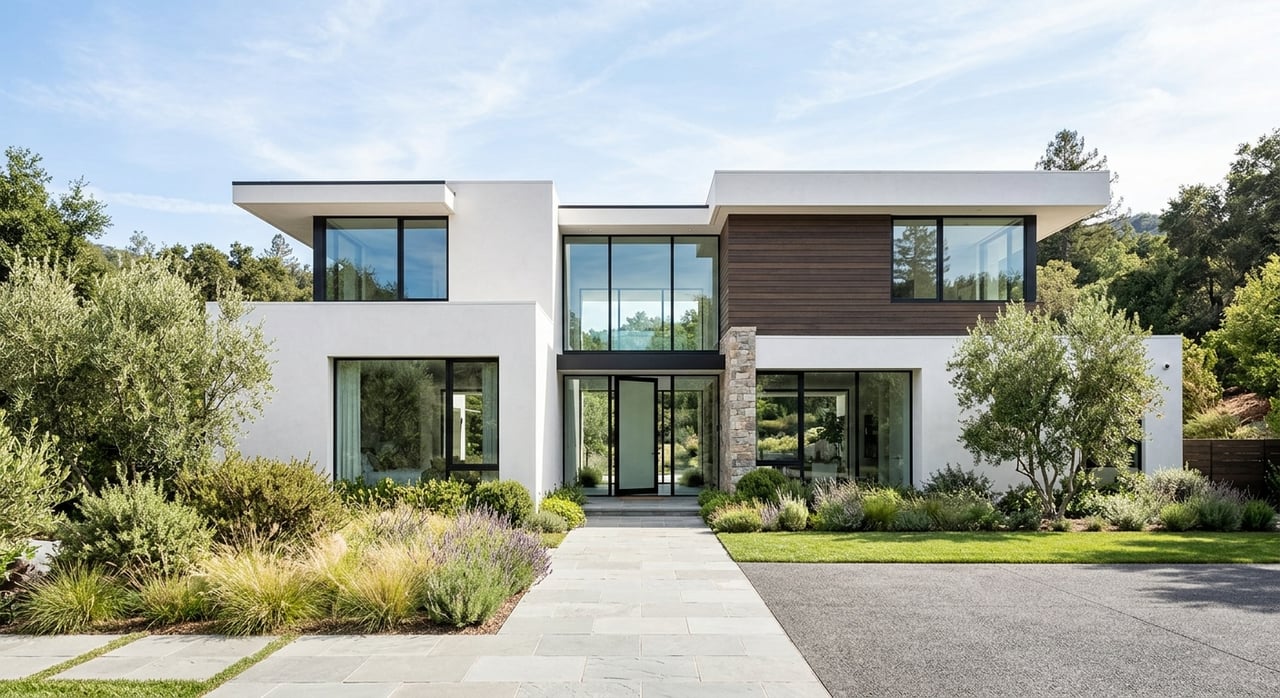
Buying your first home in Royal Oak can feel like choosing between two very different lifestyles. One path gives you charm, control, and room to make a place your own. The other offers a simpler routine, fewer exterior chores, and a more predictable day-to-day experience. If you are deciding between a bungalow and a condo, this guide will help you weigh the tradeoffs that matter most in Royal Oak. Let’s dive in.
Why this choice matters in Royal Oak
Royal Oak is a compact inner-ring suburb with about 58,000 residents, a 68.0% owner-occupied housing rate, and a median owner-occupied home value of $328,700. The city is known for its walkable layout, established housing stock, and active downtown, which helps keep buyer demand strong.
Recent market snapshots also suggest that first-time buyers may face competition in both categories. In spring 2026, Redfin reported a median sale price of $356,500 and about 38 days on market, while Realtor.com showed a median for-sale price of $392.5K and 33 days on market. In other words, the better question is often not can you buy in Royal Oak, but which type of home fits your budget, upkeep tolerance, and long-term plans.
What a Royal Oak bungalow offers
A bungalow often appeals to buyers who want a home with character and more direct control over the property. In Royal Oak, that can mean older architecture, established lots, and the chance to shape the home over time through updates and improvements.
That opportunity comes with responsibility. Royal Oak’s housing stock is older than many first-time buyers expect. The city’s consolidated plan says 43% of owner-occupied units were built before 1950, 89% were built before 1980, and most of the city’s single-family housing stock was built before 1950.
For you, that usually means a bungalow may bring more age-related maintenance and a greater chance of deferred repairs. Older roofs, windows, plumbing, electrical systems, or foundation issues can affect your costs early in ownership. The upside is that improvements may let you build value while making the home better fit your style and needs.
When a bungalow may fit best
A bungalow may be the better first home if you want:
- More autonomy over decisions
- Outdoor space or a yard
- Renovation upside
- Freedom to plan projects on your own timeline
- A home that feels distinct and full of original character
If you like the idea of choosing finishes, updating rooms, or slowly improving a property, a bungalow can be a rewarding option.
What to watch with older homes
In Royal Oak, the biggest bungalow question is often not the list price. It is what the home may need after closing. Because so much of the city’s single-family inventory is older, your budget should leave room for repairs, maintenance, and system updates.
You also need to understand local rules before planning exterior changes. Royal Oak has 15 designated historic districts, and historically designated properties need historic district review before exterior alterations or additions. The city’s Building Inspection department handles permits for residential construction and enforces local ordinances.
Some projects may qualify for help through Royal Oak’s RENO program, which can waive permit and inspection fees for certain sustainability, affordability, and aging-in-place improvements. Still, that program does not replace historic district, zoning, or other required approvals.
What a Royal Oak condo offers
A condo usually fits buyers who want convenience and a more streamlined ownership routine. Instead of managing every exterior repair yourself, many responsibilities shift to the condo association.
Michigan’s Condo Buyer’s Handbook explains that associations must maintain a reserve fund for major repairs and replacement of common elements. The minimum is equal to 10% of the annual budget on a non-cumulative basis. That structure can help support long-term maintenance, which is one reason condos appeal to first-time buyers who want fewer surprises tied to exterior upkeep.
In Royal Oak, that low-maintenance appeal lines up well with the city’s planning focus on walkable, connected neighborhoods and reinvestment near a successful commercial district. If location, simplicity, and less hands-on maintenance matter more to you than yard space, a condo may be the stronger fit.
When a condo may fit best
A condo may be the better first home if you want:
- Fewer exterior chores
- A simpler ownership routine
- A home near walkable destinations
- Less responsibility for common-area repairs
- A more predictable day-to-day maintenance experience
This can be especially helpful if your schedule is busy or you simply do not want your weekends filled with home projects.
What to review before buying a condo
Condo ownership is not maintenance-free. It is structured differently. Monthly fees and assessments are a lien on the unit, and Michigan law allows certain common expenses to be specially assessed against the units that benefit from them.
That means your due diligence matters. Before you buy, review the master deed, bylaws, budget, reserve fund, meeting minutes, and assessment history. You should also confirm what the monthly fee covers and what it does not cover, so there are no surprises after closing.
It is also worth knowing that Michigan recognizes site condominiums, which are detached single-family homes governed by condo law. If you want a standalone home with condo-style legal structure, this type of property may come up in your search.
Compare monthly cost, not just price
For many first-time buyers, the smartest comparison is not bungalow versus condo at the purchase price alone. It is the full monthly carrying cost and the level of repair risk you are taking on.
A bungalow may have no association dues or lower recurring shared costs, but it can require larger near-term spending on aging systems or deferred maintenance. A condo may reduce your exposure to surprise exterior repairs, but the monthly fee and any future special assessments are part of the true cost of ownership.
Here is a simple way to compare the two:
| Home Type | Potential Strengths | Potential Costs to Watch |
|---|---|---|
| Bungalow | More control, renovation upside, classic character | Older systems, repairs, permits, historic district review |
| Condo | Convenience, fewer exterior chores, simpler routine | HOA dues, reserve strength, special assessments |
If you are choosing between two homes, compare the expected monthly payment after mortgage, taxes, insurance, and any HOA dues. Then ask yourself which option better matches your comfort level with maintenance and financial variability.
Understand property taxes in Michigan
Property tax treatment is important, but in this case, the key factor is not whether you buy a bungalow or a condo. Michigan’s Principal Residence Exemption applies to a qualifying owner’s principal residence and exempts it from the local school operating millage, up to 18 mills.
To receive that benefit, you must file the required affidavit with the local assessor. So if you are buying your first home to live in it as your main residence, the tax question usually depends more on occupancy status than on the type of property.
A practical Royal Oak decision guide
If you are still torn, focus on the lifestyle you want in your first few years of ownership. A bungalow often works best if you want creative control and are comfortable planning for repairs and updates. A condo often works best if you want a more manageable routine and prefer shared responsibility for common elements.
You can also think of it this way: a bungalow gives you more say, while a condo gives you more structure. Neither is automatically better. The right fit depends on how you want to spend your time, what level of financial flexibility you have, and whether you feel energized or stressed by home projects.
Royal Oak bungalow checklist
Before buying a bungalow, consider these steps:
- Confirm whether the property is in a historic district
- Ask which exterior changes would require review
- Verify permit history
- Budget for age-related systems and deferred maintenance
- Think about how much time and cash you want available for future updates
Royal Oak condo checklist
Before buying a condo, consider these steps:
- Review the master deed and bylaws
- Check the association budget and reserve fund
- Read meeting minutes for upcoming projects or concerns
- Review assessment history
- Confirm what the monthly fee covers and excludes
Questions to ask yourself first
Before you decide, ask yourself:
- Do you want more control or more convenience?
- Are you comfortable handling repairs as they come up?
- Would a monthly HOA fee help you budget, or feel restrictive?
- Do you want a yard, or would you rather skip exterior maintenance?
- Are you excited by updates, or would you rather move in and keep life simple?
Your answers will usually point you in the right direction faster than price alone.
The bottom line for first-time buyers
In Royal Oak, a bungalow is often the better fit if you want renovation potential, classic character, and more direct control over the property. A condo is often the better fit if you want convenience, lower-maintenance living, and a simpler ownership routine.
Because Royal Oak has older housing stock and local preservation rules, bungalows tend to be a more hands-on purchase. Because Michigan condo law puts so much weight on association finances and reserve funding, condos require careful document review before you commit. When you understand those tradeoffs clearly, you can buy your first home with more confidence and fewer surprises.
If you want help weighing charm, maintenance, budget, and long-term fit in Royal Oak or nearby Oakland County communities, Kathy Remski offers thoughtful, high-touch guidance designed to make your next chapter feel clear and manageable.
FAQs
Is a bungalow or condo cheaper in Royal Oak?
- Not always. In Royal Oak, the better comparison is total monthly cost, including mortgage, taxes, insurance, HOA dues if applicable, and likely repair or maintenance expenses.
What should first-time buyers in Royal Oak know about bungalow maintenance?
- Royal Oak has an older housing stock, with many owner-occupied homes built before 1950, so bungalow buyers should budget for age-related systems, deferred maintenance, and possible update needs.
What should condo buyers review in Michigan before buying?
- You should review the master deed, bylaws, budget, reserve fund, meeting minutes, assessment history, and what the monthly fee covers before buying a condo.
Do historic district rules affect bungalow buyers in Royal Oak?
- Yes. Royal Oak has designated historic districts, and historically designated properties need historic district review before certain exterior alterations or additions.
Does the Michigan Principal Residence Exemption apply to both condos and bungalows?
- Yes. The exemption depends on whether the property is your qualifying principal residence, not on whether the home is a condo or a bungalow.