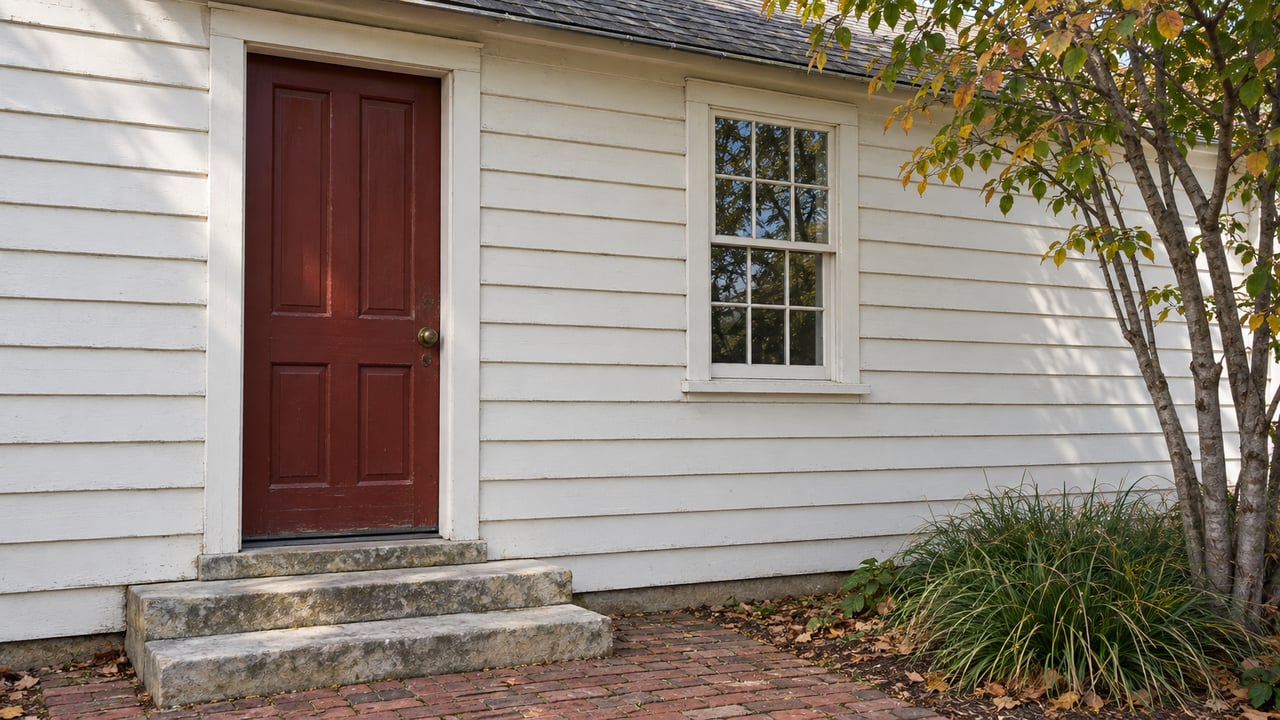
On a Tuesday evening this fall, the dining room at 32760 Franklin Road fills with regulars and first-timers waiting on oysters, and the building holding them has been standing since 1848. It spent sixteen years as the Franklin Grill before that restaurant closed at the end of 2023. It reopened in June 2025 as The Franklin Oyster Bar & Eatery, and next door, in a smaller building that used to hold a resale shop called Deja Vu, Polly's Cafe now pours coffee in the morning and pastries at lunch. Two businesses changed. The carriage house did not.
That distinction matters more in Franklin Village than almost anywhere else in Oakland County, because here it isn't just architectural preference. It's process. Nothing gets built, replaced, or even repainted on Franklin Road without clearing a seven-member commission that meets once a month in a building nearly as old as the one under review. The story of how a shuttered grill became two new restaurants is really a story about how that commission works and what its review looks like from project to project.
Sixteen Years, Then Eighteen Months
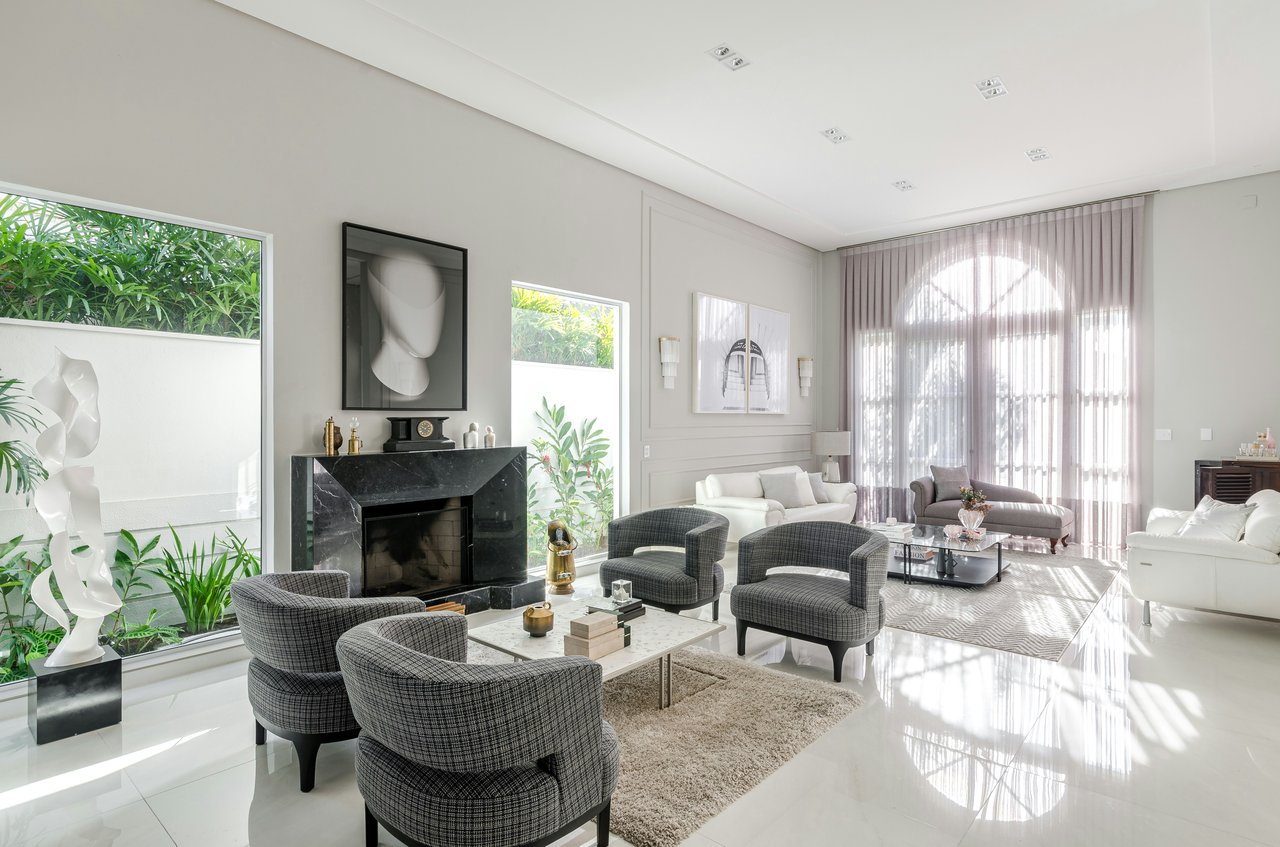
The Franklin Grill ran for sixteen years before it closed. The carriage house that housed it sat vacant only briefly. Jay Farner, the former CEO of Rocket Companies, bought the 3,300-square-foot building along with the smaller structure next door in 2024 and formed Thyme and Place Hospitality, a division of his firm Ronin Capital Partners, to redevelop both. The renovation kept the shell but reworked what was inside it: designer Nicole McGrail added several new windows to bring in daylight the original carriage house never had, and the finished space now carries Benjamin Franklin-themed wallpaper in the restroom and antique photographs sourced from shops around the village.
The kitchen came from downtown Detroit. Executive chef Nick Geftos and hospitality director Gerti Begaj both work out of Besa, and they brought a seafood-forward menu built around oysters, with steaks, pasta, burgers, and a weekend brunch rounding it out. The restaurant seats about 100 people and runs with a staff near 40, sourcing from Del Bene Produce at Eastern Market, Geddes Farm in Saginaw, Fisheye Farms in Detroit, and Stonefall Farms for Wagyu, alongside Fortune Fish and Motor City Seafood. It opened to the public on June 10, 2025.
Polly's followed later that year at 32750 Franklin Road, sharing a back patio and an all-seasons pavilion with The Franklin next door. The menu runs coffee and pastries in the morning, then shifts to sandwiches, salads, charcuterie, and ice cream by afternoon. Where The Franklin fills the dinner slot on Main Street, Polly's fills the one that had been missing since Deja Vu closed: a daytime stop that isn't a chain.
What the Commission Actually Signs Off On
None of that renovation happened without Franklin's Historic District Commission, a seven-resident board appointed by the Village Council to three-year terms, which meets the first Wednesday of most months at 7 p.m., often inside the Broughton House at 32325 Franklin Road, a Greek Revival structure from the 1830s that now serves as the village hall. The commission's job, according to the village's own ordinance, is to protect the district's architectural and cultural history while keeping property values stable and civic character intact. In practice, that means reviewing anything that touches a building's exterior, from a new roofline to a sign above a door.
McGrail has described the carriage house project as a collaboration with that commission from the start, working through window placement and materials before construction began. The result is a building that looks the way it always has from the street, with the changes happening inside where the commission's authority doesn't reach.
Not every project goes that route. At the commission's March 2026 meeting, Building Official Bill Dinnan flagged a property at 26041 Carol Avenue where vinyl windows, which the historic district doesn't allow, had gone in without a permit. No application had been filed. Dinnan told the commission an initial notice of violation had already been issued, with a 30-day timeline planned for addressing it, and asked for the board's support as the process moves forward. That same meeting, the commission approved a metal roof for another home in the district, on the reasoning that the building's low roofline made asphalt shingles inappropriate under national rehabilitation guidelines. Two items, same commission, same meeting: one exterior change approved on an architect's site plan, and one permit question that the village is working through with the property owner.
The commission's docket runs beyond single-family homes, too. As recently as its October 2025 meeting, the board was still working through sign details for a redevelopment at 32800 Franklin Road known as the Van Avery Mansion project, requesting white lettering sized to fit above the door and raising concerns about how the sign would hold up in wind. It's the kind of granular review that never makes headlines, but it's why a walk down Franklin Road in 2026 still passes buildings like the Market Basket at 32652 Franklin Road, built as a general store in 1900 and still standing in something close to its original form.
Two New Tables, One Village Calendar
The Franklin currently keeps dinner-forward hours, closed Mondays and open Tuesday through Sunday from 4 p.m., stretching to 11 p.m. on weekends. That schedule means the restaurant isn't competing with the rest of Main Street's daytime rhythm so much as adding an evening destination to it. Polly's fills the other half of the day, open for the coffee run and the lunch break that Franklin Road hadn't had in one place since the resale shop next door closed.
What hasn't shifted is everything that runs on a calendar rather than a lease. The Franklin Cider Mill, built in 1837 as a grist mill and converted to cider production in 1949, still sponsors the donuts and cider served at the Franklin Public Library every fall during the village's Halloween event, and this October the library is running its own Fall Story Time at the mill itself on October 10. Main Street Franklin, the nonprofit that keeps downtown's storefronts active, has run the annual Franklinstein Frenzy for well over a decade, typically on a Saturday in the back half of October: a costume parade forming in the Comerica Bank parking lot, trick-or-treating through the business district that continues to the library, and a Pumpkin Roll at the Kreger House. The exact date shifts by a few days each year, most recently landing on October 25 in 2025, and Main Street Franklin posts the confirmed date on its own site each fall.
That's the pattern worth noticing. The restaurant on the corner can change ownership, close for sixteen months of renovation, and reopen under new management, and the events that define a Franklin Village October don't move because they were never tied to who holds the lease. The cider mill has sponsored the same donuts through every version of the carriage house next door. The library has run story time at that mill regardless of what's serving oysters two blocks away.
The building at 32760 Franklin Road has changed hands and changed names since the Franklin Grill closed. The commission that has to approve every visible change to it has not, and neither has the mill that's been pouring cider on Franklin Road since long before either restaurant existed.
Kathy Remski spends as much time studying how Franklin's Historic District Commission reviews a window as she does staging a listing, because the built environment along Franklin Road is the actual subject, not just the backdrop. If you're curious what the commission has on its agenda next, or want to talk through what a certificate of appropriateness actually covers before you touch a facade in the district, Let's Connect.