Looking for a neighborhood that feels established, green, and deeply cared for? Bloomfield Village stands out for its traditional homes, mature trees, open lawns, and strong community structure. If you are thinking about buying or selling here, it helps to understand not just the look and feel of the neighborhood, but also how it functions day to day. Let’s dive in.
Bloomfield Village at a Glance
Bloomfield Village is a long-established residential neighborhood within Bloomfield Township in Oakland County. It was established in 1924 as a nonpolitical entity within the township and spans about one square mile, generally from Quarton Road to Maple Road and from Lahser Road to the City of Birmingham.
The neighborhood includes nearly 1,000 homes, and Bloomfield Township also identifies it as having about 1,000 dwellings in the southeastern part of the township. In other words, this is a sizable, established community with a distinct identity, even though it is not a separate municipality.
That distinction matters if you are moving here. Bloomfield Village functions as a neighborhood association with its own rules and services, while Bloomfield Township still handles zoning, permits, and code enforcement.
Traditional Character Defines the Neighborhood
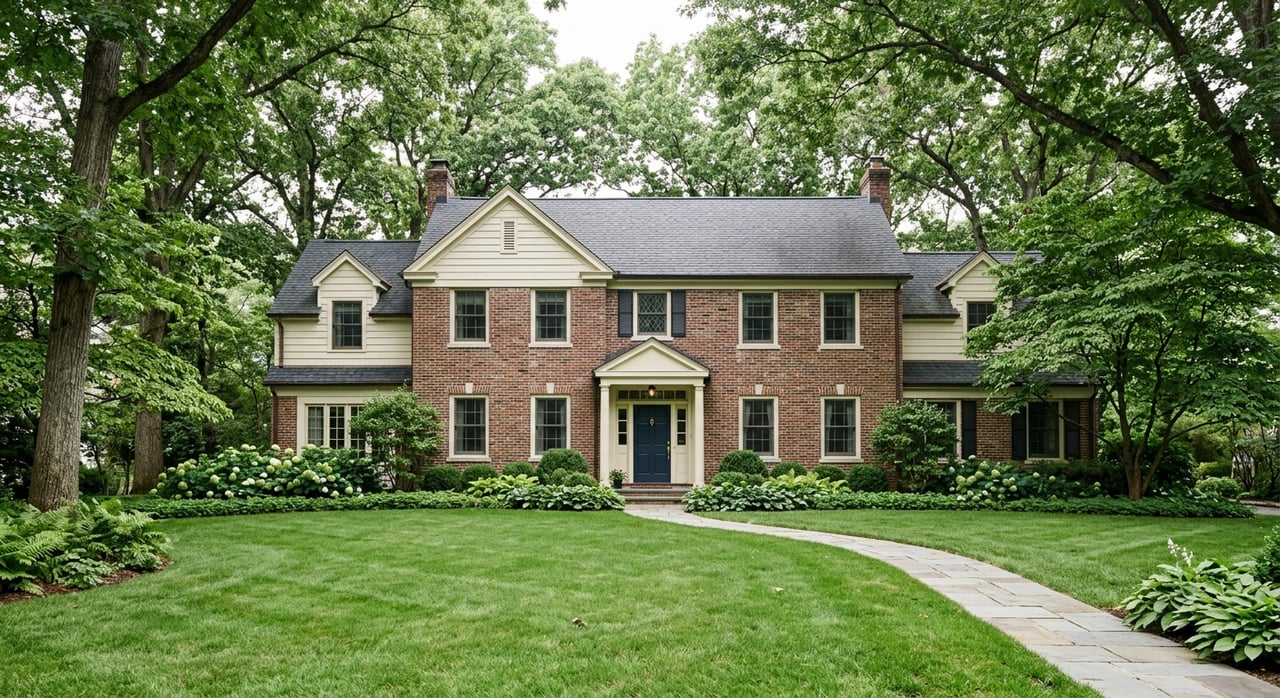
One of the biggest draws of Bloomfield Village is its consistent architectural character. The association describes the neighborhood as a community of traditional homes with strong architectural detail, rear-entry garages, and homes set on large lots with open lawns and plantings used for privacy.
That gives the neighborhood a cohesive look that many buyers notice right away. Instead of a streetscape dominated by garage doors or heavy fencing, you see open views, mature landscaping, and homes that feel connected to one another in style and scale.
For sellers, that consistency can be a real strength. Buyers often respond to neighborhoods where the visual character feels preserved, and Bloomfield Village has clear systems in place to protect that appearance over time.
Design Standards Shape the Streetscape
Bloomfield Village was developed in 12 sections, and those sections have different lot sizes and character. Even with that variation, the neighborhood guidelines are designed to keep additions and new construction compatible with the original feel of the community.
That means changes to a home are not just about what is allowed by township code. They also need to reflect the design expectations of the Village, including a seamless relationship to the existing home and surrounding streetscape.
This is one reason Bloomfield Village tends to maintain a polished, established appearance. The standards help preserve what current residents and future buyers often value most about the neighborhood.
Rear-Entry Garages and Open Lawns
A few physical details play an outsized role in the neighborhood’s identity. Rear-entry garages are preferred, front-entry garages are not permitted, and fences are strongly discouraged to preserve the open-lawn and open-vista feel.
The result is a softer, greener visual rhythm from house to house. Instead of hard barriers, the neighborhood leans on landscaping and plantings to create privacy while still maintaining an open appearance.
If you are considering updates to a property, this is important to know early. A feature that may be common in another neighborhood may not align with Bloomfield Village expectations.
Mature Trees and Sidewalks Add to Daily Life
Bloomfield Village is also known for its outdoor feel. Bloomfield Township’s master plan notes that mature trees line many streets and that neighborhoods like Bloomfield Village have sidewalks.
Those features shape the experience of living here in a simple but meaningful way. Tree-lined streets and sidewalks can make a neighborhood feel more connected, more established, and easier to enjoy from season to season.
The Village guidelines also treat mature trees and street trees as a central part of neighborhood character. When mature trees are removed, replacement trees are expected, and new landscaping should blend with the established setting.
Tree Preservation Matters Here
Bloomfield Township has an extensive Tree Preservation ordinance regulating tree removal. That aligns closely with the Village’s emphasis on preserving mature landscaping and using plantings, rather than fences, for privacy and screening.
For homeowners, that means outdoor changes may involve more review than you expect. If you are planning to remove trees, redesign a yard, or make major site changes, it is smart to understand both the township rules and the Village expectations before work begins.
For buyers, this also helps explain why the neighborhood feels so consistently green. The landscape is not accidental. It is actively protected by both local regulation and neighborhood standards.
Community Structure Is Part of the Appeal
Bloomfield Village offers more than attractive homes and lots. It also has an active community organization that helps support neighborhood communication, design review, and resident involvement.
The association is overseen by a 12-member volunteer Board of Trustees with staggered three-year terms. Monthly board meetings are held, an annual meeting takes place in May, and a quarterly Village Bulletin helps keep residents informed.
Day-to-day operations are handled by a Village Manager. That kind of structure can be reassuring if you value an organized, well-maintained neighborhood with clear communication.
Clubs and Community Involvement
Bloomfield Village also highlights groups such as the Village Social Club and the Village Garden Club. These kinds of organizations help reinforce the sense that the neighborhood is not just a collection of homes, but a community with ongoing resident engagement.
For some buyers, that community structure is a major plus. It signals that the neighborhood has long-term stewardship and a shared interest in preserving its character.
For sellers, it can also help tell the story of the area. Buyers are often drawn to places where there is visible care, continuity, and resident participation.
What Buyers Should Know Before You Purchase
If you are considering a home in Bloomfield Village, the biggest practical takeaway is simple: there are two layers of review to understand. The neighborhood association enforces deed restrictions and design-related standards, while Bloomfield Township handles permits, zoning, and code enforcement.
Bloomfield Township is very clear that subdivision associations privately regulate and enforce deed restrictions. At the same time, the township still issues permits and enforces state construction codes.
That means your due diligence should go beyond the home itself. You will want to understand not only the property condition and layout, but also what kinds of future changes may require association review, township permits, or both.
Check Rules Before Planning Changes
Bloomfield Township advises residents to check with their subdivision association before applying for a permit because association rules may be different from, and more restrictive than, township zoning and building rules. That guidance is especially relevant in Bloomfield Village.
Common projects that can trigger review include:
- Additions
- Exterior color changes
- Fences
- Accessory structures
- Decks
- Pools
- Driveways
- Landscaping changes
- Some mechanical equipment placements
This matters whether you are buying a home to live in right away or purchasing with renovation plans in mind. Understanding the review process up front can save time, money, and frustration later.
What Sellers Can Highlight About Bloomfield Village
When you sell a home in Bloomfield Village, the neighborhood itself is part of the value story. Buyers are often looking for established surroundings, mature trees, architectural consistency, and a sense of lasting care.
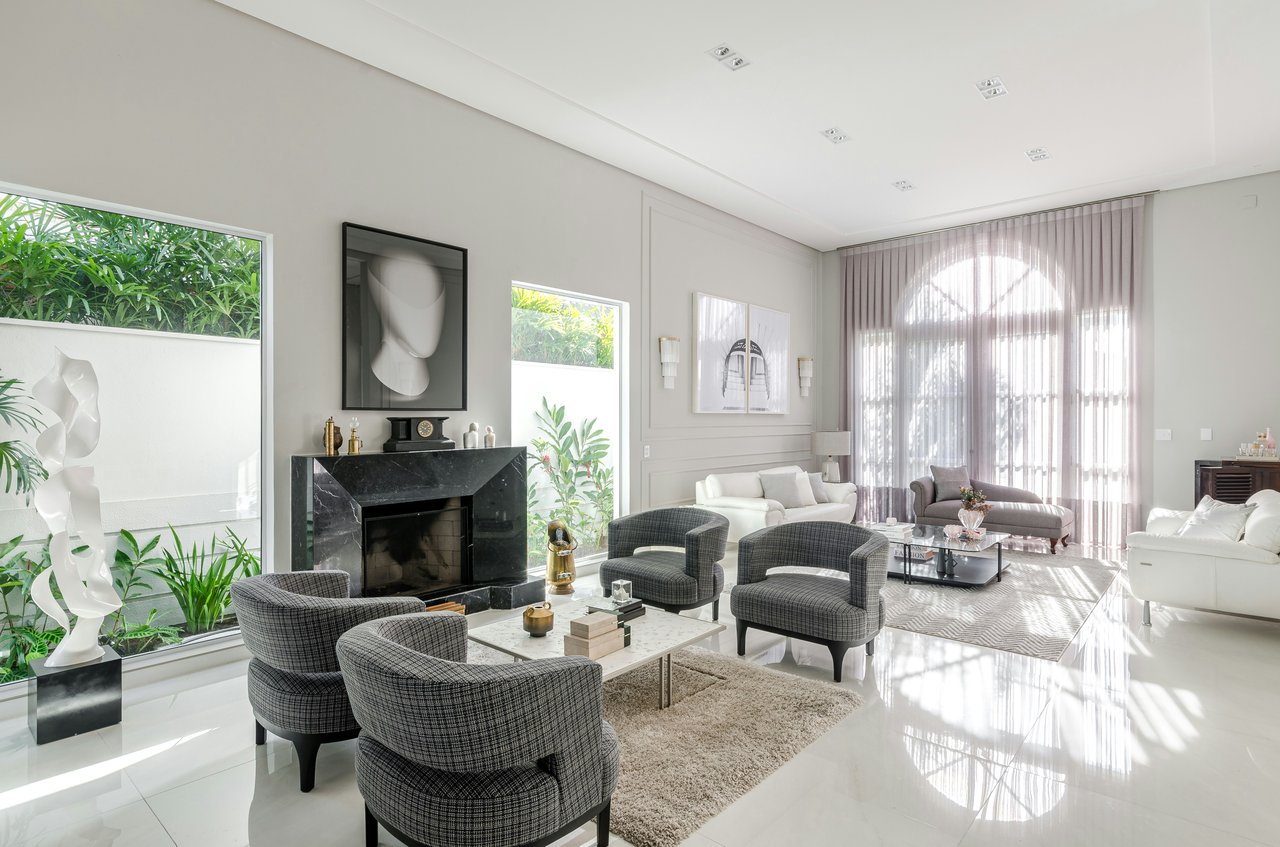
This is where thoughtful presentation matters. A home in Bloomfield Village often benefits from marketing that highlights light, flow, landscaping, and how the property fits into the broader streetscape.
Because the neighborhood has a strong visual identity, sellers may benefit from preparing their home in a way that complements that setting. Clean exterior presentation, well-maintained landscaping, and a clear understanding of community standards can all support a stronger first impression.
A Fence Example Shows Why Details Matter
Fencing is a useful example of how local rules can differ. Bloomfield Township allows some four-foot fences in side and rear yards by permit, while anything taller or placed in a front yard needs approval from the Zoning Board of Appeals.
Bloomfield Village guidelines are more restrictive and generally discourage fences except where required by law. So even if a township rule may allow something, the Village may still limit it.
That is exactly why neighborhood-specific guidance matters in a place like this. The details can shape both your plans and your expectations.
Why Bloomfield Village Stands Out
Bloomfield Village combines several qualities that are hard to replicate all at once: traditional architecture, large lots, mature trees, sidewalks, open lawns, and a long-standing association focused on preservation and communication. The result is a neighborhood with a distinct sense of continuity.
If you are drawn to communities with visible character and structured stewardship, Bloomfield Village is worth a closer look. And if you are preparing to sell here, understanding how to position your home within that story can make a meaningful difference.
If you are thinking about buying or selling in Bloomfield Village, working with a local expert can help you understand the neighborhood’s details and present your next move with confidence. Connect with Kathy Remski for thoughtful, high-touch guidance tailored to Birmingham and the surrounding Oakland County market.
FAQs
What is Bloomfield Village in Bloomfield Township?
- Bloomfield Village is a residential neighborhood within Bloomfield Township, not a separate municipality, with nearly 1,000 homes across about one square mile.
What makes Bloomfield Village homes look so consistent?
- The neighborhood has association guidelines that support traditional architectural character, compatible additions and new construction, rear-entry garages, open lawns, and landscaping that fits the established streetscape.
Do Bloomfield Village homeowners follow township rules or association rules?
- Homeowners typically need to consider both, because Bloomfield Township handles permits and code enforcement while the Bloomfield Village association enforces deed restrictions and design-related standards.
Are fences allowed in Bloomfield Village?
- Bloomfield Village generally discourages fences except where required by law, even though Bloomfield Township may allow certain fences with permits or additional approvals.
Why do mature trees matter in Bloomfield Village?
- Mature trees are a key part of the neighborhood’s character, and both township regulations and Village guidelines support tree preservation and compatible replacement landscaping.
What should buyers know before purchasing in Bloomfield Village?
- Buyers should review both the property itself and the neighborhood’s association standards, especially if they are considering future changes like additions, landscaping updates, exterior paint changes, or new outdoor features.