Quick Answer
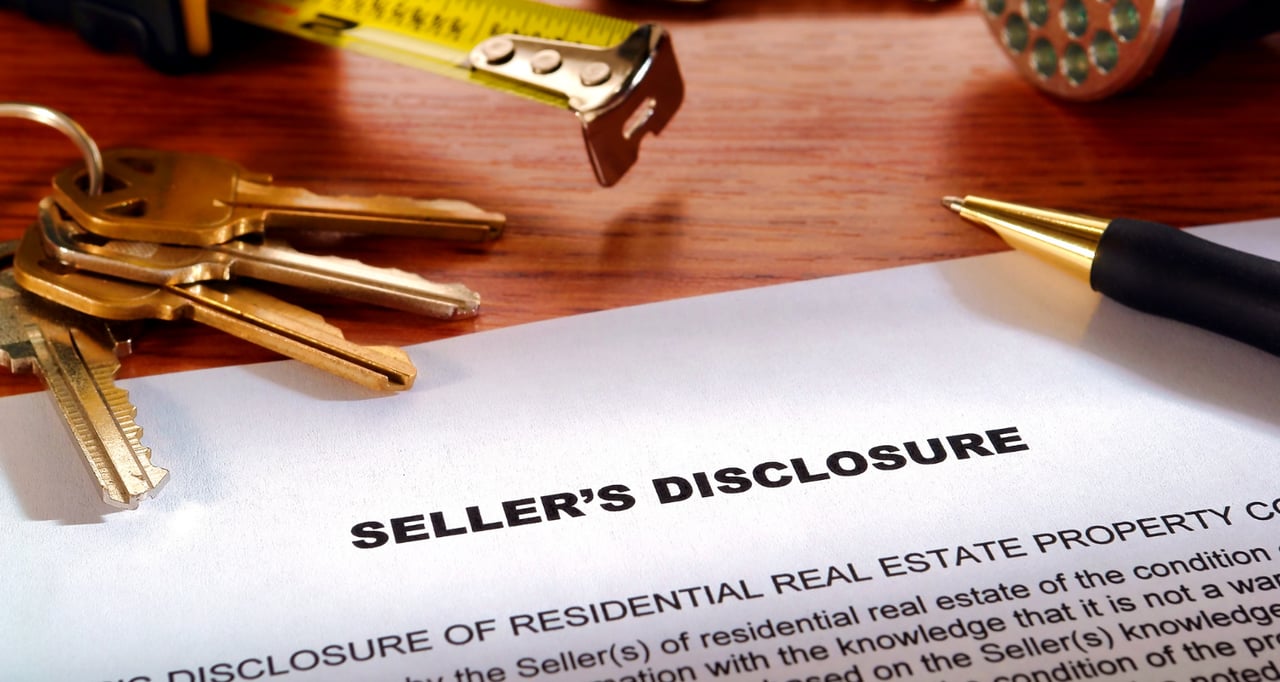
In Michigan, sellers must complete a Seller’s Disclosure Statement truthfully and to the best of their knowledge. Being forthright is not just a legal requirement—it’s one of the smartest ways to protect yourself from delays, renegotiations, or post-closing disputes when selling a home in Oakland County.
The Complete Picture: Why the Seller’s Disclosure Matters More Than You Think
When preparing to sell a home in Birmingham, Bloomfield Hills, Rochester, or Royal Oak, many sellers focus on pricing, presentation, and timing. Just as important—but often underestimated—is the Seller’s Disclosure Statement.
This document sets expectations for buyers and becomes part of the legal record of the transaction. It tells buyers what you know about the home’s condition—not what you assume, not what you hope, but what you actually know.
A thoughtfully completed disclosure builds trust and helps prevent surprises that can derail a sale later.
What Michigan Sellers Are Required to Disclose
Michigan law requires sellers to disclose known conditions, including:
-
Roof age and known leaks
-
Basement or crawlspace moisture or water intrusion
-
Foundation or structural issues
-
Plumbing, electrical, and HVAC concerns
-
Sewer, septic, or well problems
-
Environmental issues such as radon or asbestos
-
Past repairs related to defects or damage
In established communities like Birmingham and Royal Oak, where many homes are older, these disclosures are especially important.
What “To the Best of Your Knowledge” Really Means
This phrase is often misunderstood.
It does not require:
-
Guessing about hidden issues
-
Conducting inspections before selling
-
Disclosing rumors or assumptions
It does require:
-
Sharing issues you’ve experienced
-
Disclosing known repairs or recurring problems
-
Answering questions honestly, even if the issue was “fixed”
For example, if a basement in Bloomfield Hills once took on water and you installed a sump pump, that history should be disclosed—even if the problem hasn’t returned.
Why Being Forthright Actually Protects Sellers
Some sellers worry that disclosing issues will hurt their sale. In reality, the opposite is often true.
Clear disclosures help:
-
Prevent last-minute renegotiations
-
Reduce the risk of a buyer walking away after inspections
-
Avoid legal disputes after closing
-
Build buyer confidence and credibility
Homes in Rochester and across Oakland County sell more smoothly when buyers feel they are getting the full story upfront.
Key Insights for Oakland County Home Sellers
-
The Seller’s Disclosure is a legal document, not a formality
-
Disclosed issues don’t automatically reduce value
-
Most problems are manageable when addressed early
-
Transparency leads to stronger, cleaner transactions
Action Steps: How Sellers Can Complete Disclosures Confidently
-
Review the disclosure form early, not at the last minute
-
Reflect on your ownership experience—repairs, leaks, backups, or recurring issues
-
Document past repairs when possible
-
Ask your real estate agent for guidance if you’re unsure what to disclose
-
Err on the side of transparency—it’s safer to disclose than omit
Frequently Asked Questions
- Do I have to disclose an issue that was repaired?
Yes. If you knew about the issue and addressed it, disclosure is still appropriate. - What if I truly didn’t know about a problem?
Sellers are only responsible for what they know. Unknown defects are not a violation. - Can disclosing too much hurt my sale?
In most cases, no. Buyers expect honesty, and transparency often prevents larger problems later. - Does a disclosure replace a home inspection?
No. Buyers will still conduct inspections, which is why alignment between disclosures and findings is important. - What happens if something isn’t disclosed?
Failure to disclose a known issue can lead to legal and financial consequences after closing.
In Closing
Selling a home in Oakland County—whether in Birmingham, Bloomfield Hills, Rochester, or Royal Oak—comes with responsibility. A complete and honest Seller’s Disclosure isn’t just required; it’s one of the most effective ways to protect yourself and ensure a smooth transaction.
🔗 Connect with Kathy Remski
📲 Let’s talk strategy
⭐ Client Reviews & Social Insights
▶️ YouTube
🌐 Kathy Remski Real Estate Website
📩 Schedule a Seller Strategy Call Today
If you’re preparing to sell and want guidance on completing your Seller’s Disclosure with confidence, call Kathy Remski at 248-408-0049. Experience and clarity matter.